Growing Plant in the Palms
A Thoughtful First Impression for Gift-Makers
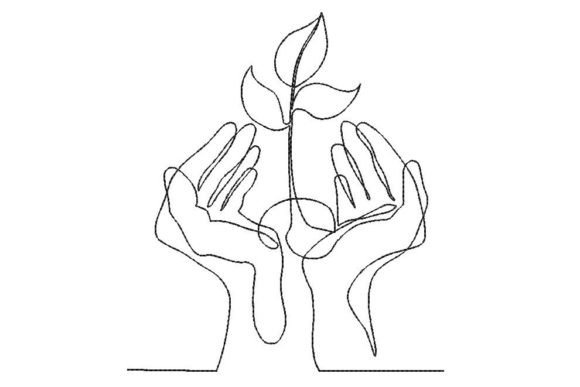
When I opened Growing Plant in the Palms for the first time, I felt that quiet spark every embroidery designer recognizes—the kind that says, “This one will resonate.” It’s not bold or flashy. Instead, it carries a gentle, grounded elegance: a single plant cradled softly in open palms, rendered with fine line work and subtle layering. The mood is tender and hopeful—perfect for milestones like baby arrivals, wedding anniversaries, or quiet moments of self-care. It reads as handmade without looking rustic, modern without feeling sterile, and timeless without leaning into cliché. For gift shop owners and Etsy sellers, that balance is gold: it appeals across generations and occasions while staying rooted in authenticity.
Where This Design Truly Blooms
Growing Plant in the Palms shines brightest when paired with intention—not just technique. As a machine embroidery design, it’s especially well-suited for personalized gifts that carry emotional weight:
- Baby embroidery: Stitched onto organic cotton swaddles or muslin blankets, it whispers care and new beginnings—ideal for gender-neutral nursery decor or milestone photos.
- Wedding gift: On linen pillow covers or monogrammed hand towels, it adds botanical warmth to heirloom-style keepsakes without competing with traditional motifs.
- Personalized towel & kitchen textile: Its clean silhouette holds up beautifully on terry cloth when stabilized correctly—think embroidered guest towels or boutique aprons for bridal showers.
- Nursery & home goods: Works elegantly on canvas tote bags, wall hangings, or framed hoop art—especially when paired with soft thread colors like sage, oat, or dusty rose.
- Craft fair & Etsy listings: As a digital embroidery file in the Single Flowers Plants category, it stands out for its narrative strength—shoppers don’t just buy a plant; they buy symbolism, growth, and presence.
Smart Placement Matters—Here’s Where to Pause
While Growing Plant in the Palms is versatile, thoughtful application ensures your finished product looks polished—not compromised. Avoid placing it:
- On heavily textured fabric (like thick waffle weave towels) without testing stabilizer layers first—delicate stems can sink or blur.
- On stretchy baby onesies or knit blankets unless using cutaway + tear-away combo stabilizer and reduced stitch density.
- On curved surfaces (e.g., mugs with fabric sleeves or contoured tote straps) without re-hooping or digitizing adjustments—it’s designed for flat, stable substrates.
- On dark fabric without checking thread color contrast in natural light—light greens or creams may recede unless paired with tonal variegation or subtle metallic accents.
- In tiny formats (under 3 inches wide) where palm lines or leaf veins risk becoming indistinct—this is a design that breathes best at medium scale.
Why Customers Choose—and Keep—This Kind of Handmade Product
Gift buyers don’t just scan for aesthetics—they scan for meaning. Growing Plant in the Palms taps into that instinct effortlessly. When stitched onto a blanket embroidery or pillow cover, it signals care, patience, and quiet celebration—qualities that elevate perceived value far beyond stitch count. For small shop owners, that translates directly to trust: customers feel confident ordering custom embroidery because the design itself feels intentional and emotionally intelligent.
Photography benefits too. Its balanced negative space and organic shape lend themselves to clean, lifestyle-driven mockups—no clutter needed. A printable mockup of Growing Plant in the Palms on a folded linen towel or draped over a wooden crib rail instantly communicates warmth and craftsmanship. That visual clarity boosts buyer engagement, especially for digital-first sellers who rely on Etsy thumbnails and Instagram carousels.
Practical Embroidery Notes Every Maker Should Run Through
Before stitching your first customer-ready piece, treat Growing Plant in the Palms like any high-intent embroidery file—test, observe, refine:
- Always test on scrap fabric matching your final substrate—especially for embroidered towel or blanket embroidery projects.
- Check thread color contrast across lighting conditions. Soft greens pop on ivory but fade on charcoal unless you adjust saturation or add outline stitches.
- Confirm hoop size compatibility before loading—some versions of this design may require 5x7" or larger for full detail fidelity.
- Review stitch density in your editing software. If it feels heavy for lightweight fabrics, consider reducing density by 5–10%—just enough to preserve definition without puckering.
- Use proper stabilizer: medium-weight cutaway for stable wovens (linen, cotton duck), tear-away + topping for napped fabrics (towels), and fusible + cutaway for knits.
- Compare light and dark fabric mockups side-by-side—not just digitally, but stitched. What reads as delicate on white may read as faint on navy.
- Inspect small details after stitching: palm lines, leaf tips, and root-like tendrils should remain crisp—not frayed or fused.
- Verify commercial licensing before selling finished products. As an Embroidery design intended for personalized gift use, confirm whether your license permits resale of physical items—many digital embroidery file providers require separate commercial terms.
A Design That Grows With Your Business
Growing Plant in the Palms isn’t just another floral motif—it’s a quiet anchor in your creative inventory. Whether you’re an Etsy seller curating meaningful baby embroidery bundles, a wedding gift designer building signature collections, or a craft fair vendor seeking standout small shop products, this design invites storytelling. It pairs naturally with handwritten tags, minimalist packaging, and heartfelt notes—because what customers truly take home isn’t just thread and fabric. They take home the feeling of being seen, held, and gently encouraged to grow.
That’s the power of a well-chosen machine embroidery design. And that’s why Growing Plant in the Palms earns its place—not just in your folder, but in your most thoughtful orders.