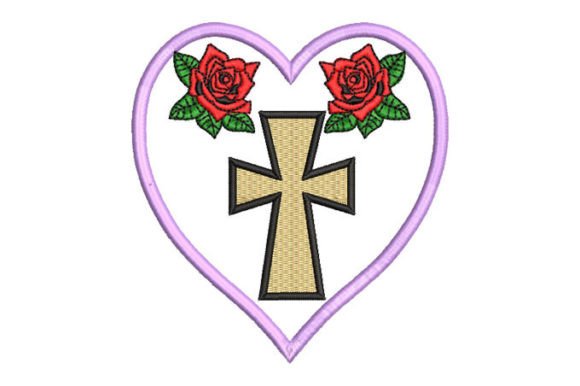
Roses Adorned Decorative Frame
First Impressions: Romantic, Refined, and Ready for Real Projects
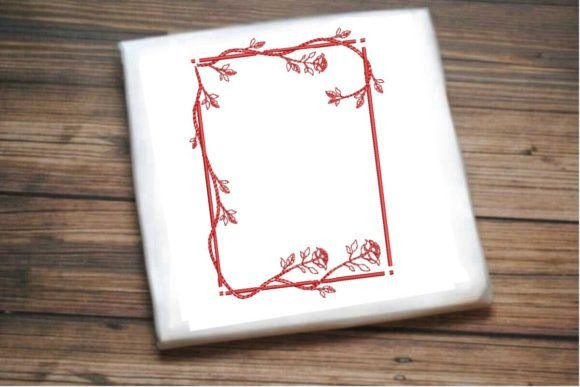
When I opened the Roses Adorned Decorative Frame embroidery file, I didn’t just see a border—I saw a mood. Soft curves, layered petals with gentle gradation, and a balanced asymmetry that feels intentional, not accidental. It’s not overly fussy or stiffly symmetrical like some vintage-inspired frames; instead, it breathes—like roses climbing a garden gate at golden hour. As a designer who’s stitched hundreds of borders for client projects, I immediately sensed its versatility: this isn’t just for wedding monograms or heirloom linens. It belongs on a hand-stitched tea towel gifted to a new mom, framing her baby’s name in delicate script. It belongs on a boutique apron for a local bakery, adding quiet elegance without shouting.
A Real-World Test: Stitching It on a Linen-Cotton Tote Bag
Last week, I used Roses Adorned Decorative Frame on a custom tote for a small shop owner launching a botanical-themed gift line. We placed it centered on the front panel, sized to 4.2 inches wide—just enough to anchor the design without overwhelming the natural texture of the fabric. The result? A finished product customers paused to touch. Not because it was flashy, but because the satin stitch on the rose centers held crisp definition, and the fill stitch in the leaves had subtle tonal variation—no flat, plasticky patches. That matters when you’re selling handmade products: people buy *feeling*, and this design delivers warmth and intentionality.
Where It Shines (and Where It Needs Care)
Roses Adorned Decorative Frame excels in contexts where craftsmanship and quiet sophistication elevate perceived value:
- Custom apparel: Works beautifully on lightweight sweatshirts and structured cotton tees—especially when paired with a simple initial or short phrase inside the frame.
- Baby embroidery: Its soft edges and floral theme translate well to onesies and burp cloths, provided you use lightweight stabilizer and avoid dense fill areas near seams.
- Patches and applique designs: Clean outer edges make it ideal for cut-and-sew embroidered patches—just confirm the design includes clean stop points if you plan to trim closely.
- Holiday and wedding gifts: Adds heirloom weight to kitchen towels, pillow covers, and linen napkins—especially when stitched in ecru or dusty rose thread on ivory fabric.
But—and this is critical—Roses Adorned Decorative Frame asks for thoughtful placement. On stretchy knits or thin rayon blends, the outer vine elements can distort if hooping isn’t precise. On dark fabric, test your thread colors early: lighter rose tones may need an underlay or slightly higher stitch density to prevent shadowing. And on curved surfaces like caps? I’d recommend resizing it down to 3 inches max and using a tear-away + cut-away stabilizer combo—those delicate stem curls don’t forgive puckering.
What It Does for Your Craft Business
If you’re an Etsy seller or small shop owner, this isn’t just another machine embroidery design—it’s a subtle brand amplifier. Customers scrolling past dozens of generic floral borders pause at Roses Adorned Decorative Frame because it avoids cliché. There’s no cartoonish bloom or rigid geometry. Instead, there’s rhythm: the way the vines loop, how the petals overlap without crowding, how negative space is treated as part of the composition. That level of visual intelligence builds trust. When someone sees this on your embroidered patch or personalized gift, they assume care went into every layer—not just the stitching, but the selection.
For digital product sellers, this design also holds up well in printable mockups. Its clear silhouette and moderate detail render cleanly at 72 dpi, and it scales gracefully from 3 to 5.5 inches—meaning you can offer multiple size options without sacrificing clarity. Just remember: always verify licensing before listing it as a standalone digital embroidery file or bundling it into design assets for commercial use.
Practical Designer Notes You’ll Actually Use
Before stitching Roses Adorned Decorative Frame on your next project, here’s what I do—and recommend you do too:
- Test on scrap fabric first, especially if using textured weaves like linen or terry cloth—check how the fill stitch settles into the grain.
- Review stitch density visually in your embroidery software. Look for tight clusters around petal tips—these can cause thread breaks on older machines or with low-tension setups.
- Confirm hoop size compatibility. This is a Border-category design, so it likely works best in standard 4x4 or 5x7 hoops—but verify before hooping your final piece.
- Inspect small details at 200% zoom: Are those tiny leaf veins actually stitched, or just implied? If they’re running stitches, they’ll vanish on heavy fabric—adjust accordingly.
- Try black-and-white mockups alongside color versions. High-contrast rendering reveals whether the design reads clearly on both light and dark backgrounds.
- Use proper stabilizer—a medium-weight cut-away for stable fabrics, and a combination for anything drapey or unstable.
- Ask yourself: Does this support my brand voice? If your shop leans modern-minimal, this romantic frame might need pairing with ultra-clean typography to stay cohesive.
Final Thought: A Border That Holds Space—Not Just Fills It
Many embroidery borders act like wallpaper: they fill space, but don’t invite attention. Roses Adorned Decorative Frame does something rarer—it holds space with grace. It doesn’t compete with your main motif; it cradles it. Whether you’re embroidering a child’s name on a quilt square or branding a line of artisanal candles, this design says, “This matters.” Not loudly—but surely. And in handmade work, that quiet confidence is what turns a finished product into a keepsake.