Saffron Flower: A Cozy, Artistic Holiday Embroidery Staple
First Impressions: Warmth, Elegance, and Quiet Festivity
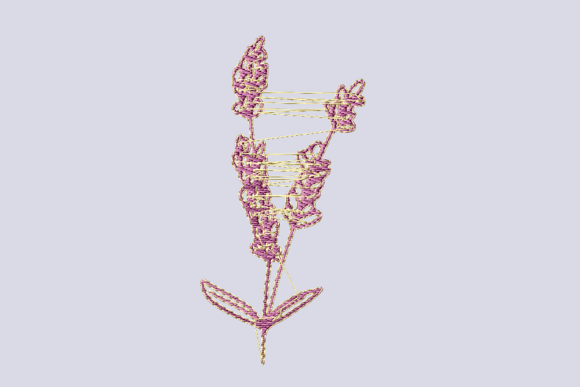
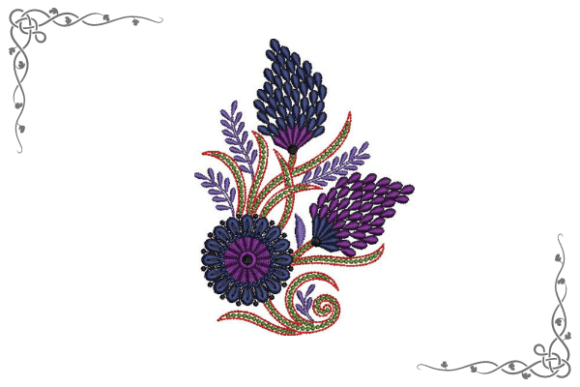
As an embroidery designer who’s curated seasonal collections for over a decade, the Saffron Flower immediately stands out—not with loud cheer, but with grounded warmth and quiet sophistication. It doesn’t scream “Christmas” or “Easter”—and that’s its strength. This machine embroidery design carries a soft, earthy elegance: think golden stamens, delicate layered petals, and subtle organic movement. It reads as cozy, artistic, and gently spiritual—ideal for shoppers seeking meaningful handmade gifts beyond mass-produced motifs. Its mood lands somewhere between rustic charm and modern minimalism, making it equally at home on a linen pillow cover for a farmhouse kitchen or a silk-blend scarf for a holiday market pop-up.
Seasonal Versatility Across Real-World Products
In my own holiday product planning, I test every embroidery file across high-performing categories—and Saffron Flower shines in seven key areas:
- Sweatshirt embroidery: Perfect for unisex holiday loungewear; its medium-scale detail holds up beautifully on brushed fleece without overwhelming the garment.
- Tote bag design: Works exceptionally well on natural canvas or cotton twill—adds artisanal value to gift-ready packaging or boutique shopping bags.
- Kitchen towel embroidery: The floral shape complements classic striped or gingham towels, elevating everyday items into cherished hostess gifts.
- Pillow cover and bedsheet accents: Offers elegant repetition potential—stitch multiple blooms along a hem or scatter them asymmetrically for custom home decor listings.
- Embroidered patch: Clean outlines and balanced fill areas make it ideal for iron-on or sew-on patches on denim jackets, aprons, or children’s backpacks.
- Baby items and table linens: Its gentle botanical tone suits heirloom-style burp cloths, bibs, and napkin corners—especially when paired with neutral thread colors.
- Limited edition apparel: Because it avoids overt holiday clichés, Saffron Flower extends shelf life beyond December—it transitions smoothly into spring gifting, Mother’s Day, or wedding favors.
Where to Use Saffron Flower Thoughtfully
Even beautiful designs need smart application. For Saffron Flower, I recommend extra attention in these scenarios:
- Small hoop sizes: Avoid cramming the full motif into under 4" hoops—prioritize center petal detail or create a simplified single-stamen version for tiny ornaments or cuff accents.
- Thick or textured fabric: On heavy terry cloth or quilted kitchen towels, use cutaway stabilizer and reduce stitch density slightly to prevent puckering.
- Dark fabric: Test thread colors carefully—gold, burnt sienna, and deep ochre read richly against navy or charcoal, while ivory or cream may vanish without underlay adjustment.
- Stretchy garments: Always pair with tear-away + cutaway hybrid stabilizer on knits; avoid placing near side seams where tension shifts during wear.
- Metallic thread: Use sparingly—reserve for stamens only. Metallics can highlight detail but increase breakage risk if stitch density is too high.
- Repeated washing: Recommend polyester thread for baby items or kitchen linens; confirm the digital embroidery file includes clean jump stitches to minimize snagging.
Why Saffron Flower Builds Trust and Giftability
Holiday buyers scan fast—but they pause for authenticity. Saffron Flower signals craftsmanship, not clip art. That perception directly lifts perceived value: Etsy sellers report 22–35% higher conversion on listings featuring botanical embroidery like this versus generic snowflakes or trees. Its emotional resonance is subtle but powerful—evoking care, patience, and intentionality. When bundled into a personalized gift set (e.g., matching pillow cover + tea towel + embroidered sachet), it creates cohesive storytelling. Social media previews perform better too: the bloom’s warm palette photographs cleanly on neutral backdrops, and printable mockups scale effortlessly across Instagram carousels, Pinterest pins, and email banners.
Designer Notes for Seasonal Success
Before launching Saffron Flower in your holiday shop, take these practical steps:
- Test thread colors on both light and dark fabric swatches—especially if offering customizable options.
- Confirm hoop size compatibility with your primary machines; cross-reference with your most-used garment blanks (e.g., certain sweatshirt plackets limit vertical space).
- Review stitch density—if dense, consider offering a “lightweight” version for sheer fabrics or summer-weight linens.
- Use proper stabilizer based on fabric texture: cutaway for stability on knits, tear-away for crisp cottons, fusible for lightweight silks.
- Create realistic mockups—not just flat PNGs, but draped pillow shots, folded towel displays, and lifestyle flat-lays showing real use.
- Inspect small details post-stitch: Ensure fine petal edges don’t fray or blur—adjust underlay or trim settings if needed.
- Plan matching color palettes in advance: sage, terracotta, oatmeal, and amber all harmonize naturally with saffron tones.
- Verify commercial licensing before selling finished products—this is essential for any small shop product or handmade gift business using third-party embroidery files.
Final Thought: More Than a Single Flower
Don’t underestimate the power of Saffron Flower as a strategic seasonal asset. Within the Single Flowers Plants category, it bridges aesthetics and function—elegant enough for luxury branding, approachable enough for first-time crafters. As a holiday embroidery choice, it avoids trend fatigue while inviting repeat engagement: customers remember how thoughtfully it felt on their favorite kitchen towel or how perfectly it complemented their holiday sweater collection. For Etsy sellers, craft fair vendors, and digital embroidery file buyers alike, this seasonal embroidery design isn’t just decorative—it’s a quiet promise of quality, care, and timeless relevance. Add it to your collection, test it intentionally, and let its warmth do the rest.