Vintage Flower: A Craft Fair Designer’s Honest Review
First Impression: Soft, Timeless, and Instantly Recognizable
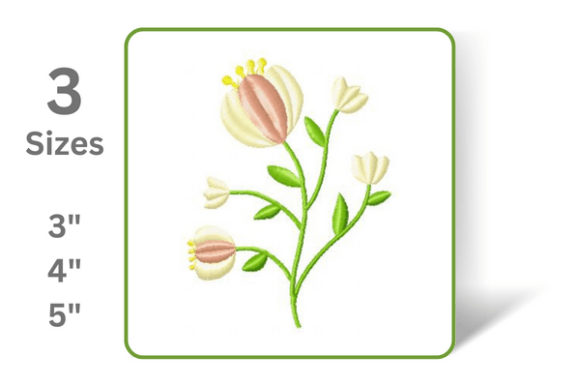
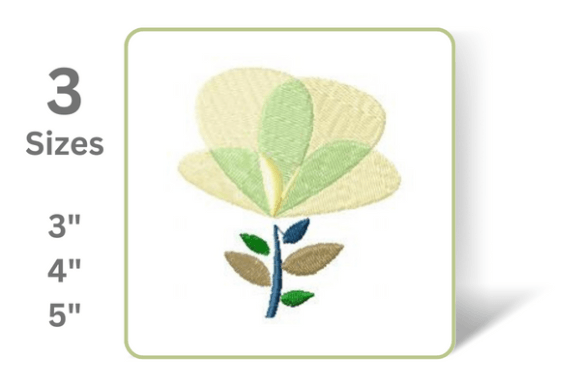
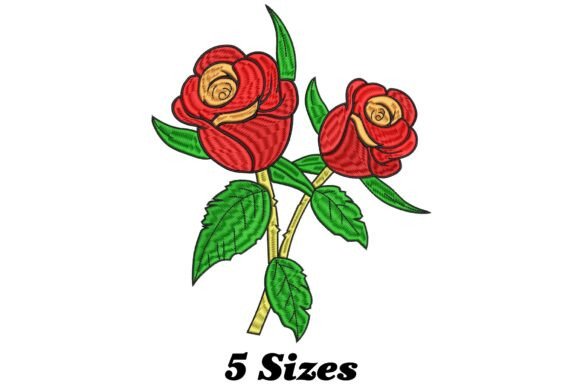
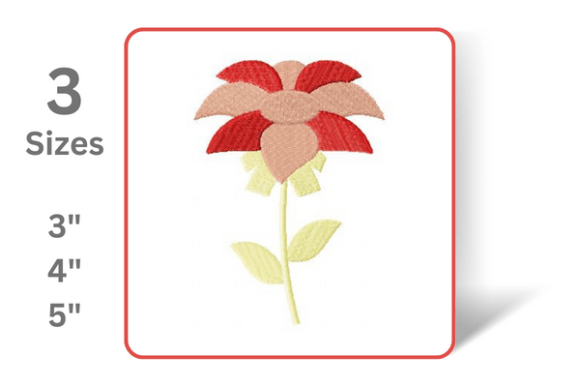
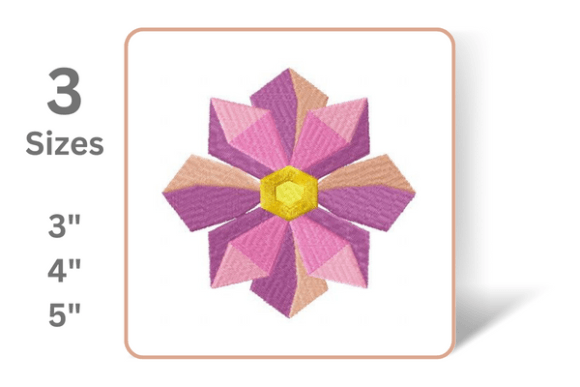
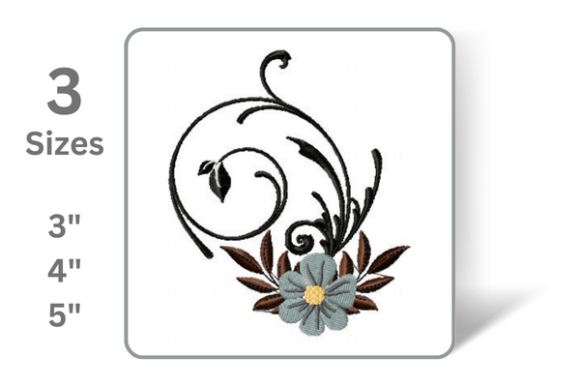
“Vintage Flower” lands with quiet confidence—not loud, not trendy, but deeply felt. It reads as soft, elegant, and gently nostalgic: think heirloom linen, sun-bleached botanical prints, and handmade charm. It’s not rustic or farmhouse in a literal sense—no burlap or chicken wire here—but it carries that same warmth and authenticity. For craft fair shoppers scanning a crowded booth, Vintage Flower doesn’t shout—it invites. That’s gold. In a sea of bold fonts and cartoon motifs, this design breathes calm, quality, and intention. As an embroidery designer who’s stitched hundreds of show-ready pieces, I can tell you: that kind of emotional resonance sells faster than flashier alternatives.
Where Vintage Flower Shines on Craft Fair Products
Vintage Flower is unusually versatile—but not equally effective everywhere. Here’s where it truly sings:
- Tote bags & market bags: Centered on the front panel (3–4" wide), it reads clearly from 6 feet away. The soft curves and open petal structure avoid looking cramped—even on canvas or denim.
- Tea towel embroidery: Perfect for the lower corner or centered near the hem. Its organic shape complements the drape and texture of linen-cotton blends without fighting the fabric grain.
- Pillow covers: At 5–6" wide, Vintage Flower becomes a focal point that feels intentional, not overwhelming. Paired with solid-color linen or oatmeal duck cloth, it elevates the whole piece into “giftable handmade” territory.
- Embroidered patches: Clean lines and moderate detail mean it holds up beautifully when heat-applied or sewn onto denim jackets, aprons, or tote straps. No tiny stems or micro-petals to vanish during washing.
- Apron embroidery: Ideal above the pocket or centered on the bib. It adds personality without distracting from function—and looks equally lovely on black cotton or cream chambray.
It’s less ideal on curved surfaces like caps (unless resized and re-digitized for low-profile placement) or ultra-dense fabrics like thick terry towels—where stitch density could cause puckering or loss of definition.
What Makes Vintage Flower Booth-Ready
This isn’t just about prettiness—it’s about practical selling power. Vintage Flower works because it’s instantly legible at small scale (great for tags, mini pouches, or sample swatches), yet scales gracefully to 7" for pillow covers or wall hangings. It photographs cleanly for Etsy listings—no muddy shadows, no thread blending into background fabric, especially when paired with medium-contrast thread colors (e.g., dusty rose on ivory, sage green on oatmeal). And yes—it’s highly repeatable for batch production. You can stitch 20 tea towels in one afternoon without redesigning spacing or adjusting tension each time.
Careful-Use Notes Every Designer Should Check
Even beautiful designs have limits. Before cutting fabric or loading hoops:
- Test Vintage Flower on your actual fabric—not just scrap muslin. Textured towels and dark fabrics demand stronger stabilizer and possibly adjusted top thread tension.
- Avoid shrinking it below 2.5". Delicate petal edges may blur or stitch over themselves on small hoop sizes.
- Watch dense stitch areas—especially the flower center. On thick fabrics or tightly woven linens, excessive density can cause stiffness or visible backing through the front.
- Curved surfaces (like cap fronts) require careful placement and possibly reduced size or simplified fill. Don’t assume the default file will lay flat without testing.
- Confirm commercial licensing before selling finished products—this is non-negotiable for Etsy sellers and boutique makers.
How Vintage Flower Strengthens Your Handmade Brand
Vintage Flower quietly reinforces key buyer perceptions: handmade quality, thoughtful curation, and timeless appeal. Unlike novelty designs that date quickly, it supports cohesive booth displays—imagine matching tea towels, pillow covers, and embroidered patches all featuring the same motif in varying sizes and placements. That consistency builds visual trust. Customers notice it. They remember your booth. And they return—not just for the product, but for the feeling it evokes. As a Single Flowers Plants category design, it fits naturally alongside herb bundles, pressed botanicals, and vintage-inspired stationery—making cross-merchandising effortless.
Pro Designer Checklist Before Booth Day
Don’t skip these steps—they’re what separate polished craft fair products from “almost there” ones:
- Run a test on scrap fabric using your exact thread colors and stabilizer combo.
- Compare how Vintage Flower reads on light vs. dark fabric—adjust thread contrast accordingly (e.g., cream thread on navy loses impact; go for antique gold or charcoal gray instead).
- Review spacing between elements—if the design includes optional leaves or vines, ensure they don’t crowd seams or hems on pouches or aprons.
- Confirm hoop size compatibility with your machine and project type—some files default to 5x7", but smaller items may need 4x4" adaptation.
- Create at least one real mockup—not just a printable mockup. See how the finished product drapes, folds, and catches light in person.
- Inspect stitch density visually: no skipped areas, no thread nests, no floating stitches that snag on fingers or fabric.
Final Thought: Vintage Flower Is a Quiet Workhorse
This isn’t a “wow” design—it’s a “yes” design. Yes, it sells. Yes, it photographs well. Yes, it stitches reliably across fabric types. Yes, it supports brand storytelling without shouting. For the Etsy seller launching their first digital embroidery file shop, the boutique maker curating a spring collection, or the craft fair veteran refreshing their bestsellers—Vintage Flower earns its place in your design assets. It’s the kind of Embroidery file that turns casual browsers into repeat buyers, not because it’s flashy, but because it feels *true*. And in handmade markets? Truth sells every time.