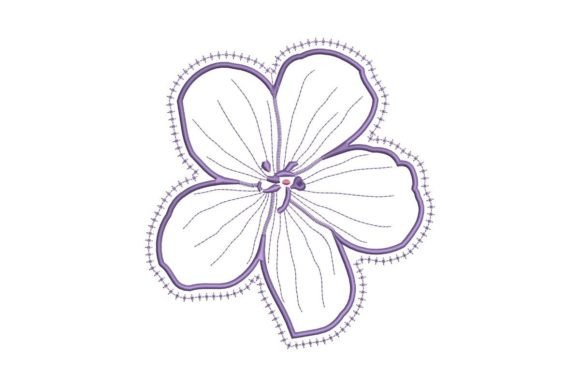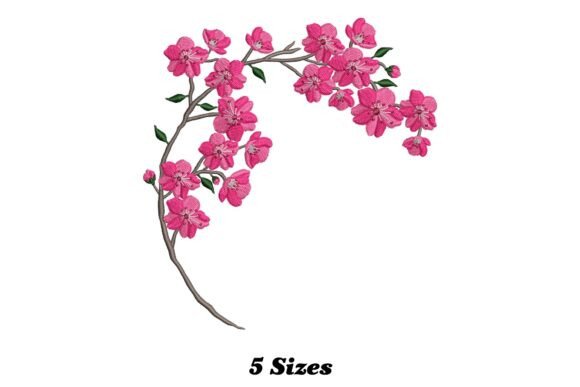
Cherry Blossom Flower
A Delicate, Versatile Bloom — Not Just Another Floral Clipart
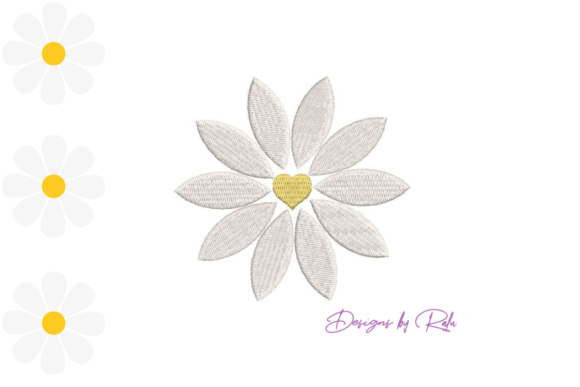
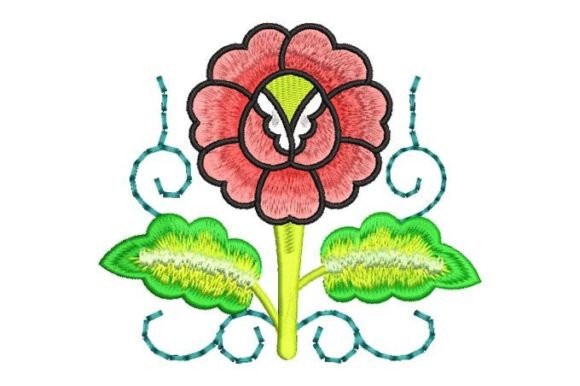
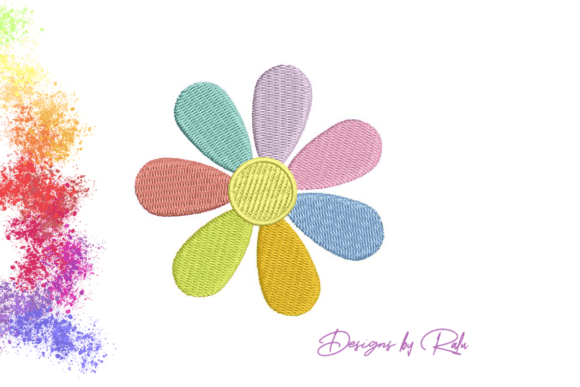
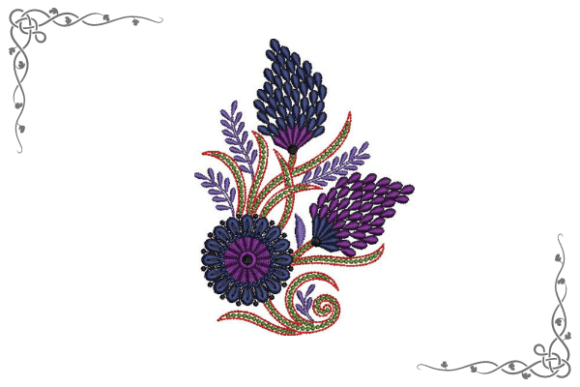
First impression? The Cherry Blossom Flower doesn’t shout. It breathes. Soft petal curves, subtle layering, and a gentle asymmetry give it quiet confidence — not fussy, not stiff, and definitely not generic. As a designer who’s stitched hundreds of floral motifs for real clients (think boutique baby blankets, custom aprons for local cafés, and wedding guest towels), I immediately recognized its quiet strength: this isn’t filler. It’s a mood-setter. It leans into softness without sacrificing structure — critical when translating from screen to stitch.
Where It Shines: Real Projects, Real Reactions
Last week, I used Cherry Blossom Flower on a linen-cotton blend tote bag for a small herbal apothecary’s launch gift. Stitched in pale blush pink thread with a whisper of ivory stem detail, it landed exactly right — elegant but approachable, handmade but polished. Customers didn’t just notice it; they paused. Touched the texture. Asked where it was from. That’s the power of intentional design: it builds connection before a word is spoken.
It works beautifully on medium-weight fabrics where drape matters — think sweatshirt embroidery (not too dense, not too flat), pillow covers that need visual lift without bulk, and tea towels where clarity reads at arm’s length. For Etsy sellers or craft fair vendors, this design adds instant “giftability”: it feels personal, seasonal without being tied to one holiday, and universally soothing — ideal for baby embroidery, bridal shower gifts, or self-care-themed merchandise. As a machine embroidery design, it balances fill stitch coverage with breathing room, so it doesn’t overwhelm lightweight knits or get lost on textured weaves.
Where to Pause — And Why
This isn’t a “set-and-forget” motif. Its charm lives in its delicacy — and that demands thoughtful placement. On stretchy fabric like jersey t-shirts? Use cutaway stabilizer *and* test first. Petals can distort if tension shifts mid-stitch. On dark fabric? Avoid ultra-light thread unless you’re intentionally going for subtle tone-on-tone — otherwise, contrast fades and details vanish. Tiny hoops (under 4 inches) will compress the natural flow; scale may need minor adjustment depending on your embroidery file’s original proportions.
Curved surfaces — like caps or structured tote straps — require extra attention to hooping tension and underlay. The outer petals have gentle tapering edges; if the fabric shifts even slightly, satin stitch definition blurs. Likewise, layered garments (e.g., embroidered patches sewn onto denim jackets) benefit from a clean, simplified version — this design holds up well, but avoid stacking it over heavy seams or thick pockets where stitch height could snag.
What It Adds to Your Finished Product — Beyond Pretty
For craft businesses and handmade product creators, Cherry Blossom Flower quietly elevates perceived value. It reads as considered, not mass-produced — especially when paired with quality thread and proper stabilizer. Customers associate that care with trust. On personalized gifts, it signals thoughtfulness: softer than roses, more grounded than daisies, it fits spring birthdays, new moms, graduation celebrations, or “just because” moments without cliché.
From a branding perspective, it supports cohesion across product lines — imagine it stitched on matching kitchen towels *and* nursery wall hangings, or repeated subtly on a boutique’s packaging tags. It’s versatile enough for commercial embroidery work (like branded staff aprons), yet distinctive enough to stand alone as a digital embroidery file in your shop’s catalog. No forced whimsy. Just calm, botanical presence.
Designer Notes You’ll Actually Use
- Always test on scrap fabric first — especially with textured or loosely woven materials. See how petal edges hold, whether stems read clearly, and how the overall density feels against your chosen base.
- Check thread color contrast early. This design relies on tonal nuance — a warm taupe on oatmeal linen reads differently than the same thread on navy cotton. Print a black-and-white mockup to gauge value separation.
- Review stitch density visually, not just numerically. Dense fill in the center? Lighter running stitch for stems? That balance affects wash durability and hand-feel — crucial for baby embroidery or kitchen items.
- Confirm hoop size compatibility before digitizing or resizing. If your machine’s standard hoop is 5x7”, does the design fit comfortably — or does it push boundaries, risking trimming or rehooping?
- Inspect small details at 200% zoom: Are petal tips sharp? Does the calyx (base) anchor cleanly? These micro-features make or break professionalism in close-up photos for Etsy listings or social media.
- Verify licensing terms before using in commercial embroidery, selling finished products, or bundling as part of a digital product pack. The description says it’s “perfect for adding a touch of whimsy charm” — but check whether your use case (e.g., resale of embroidered patches) is covered.
Final Thought: A Design That Earns Its Place
The Cherry Blossom Flower isn’t flashy — and that’s its superpower. In a landscape crowded with over-digitized florals and aggressive applique designs, it offers restraint, rhythm, and quiet intention. Whether you're an Etsy seller building a cohesive spring collection, a small shop owner refreshing kitchen linens, or a designer sourcing reliable Single Flowers Plants assets for client projects, this embroidery design earns its spot by delivering clarity, charm, and consistency — stitch after careful stitch. It doesn’t ask to be the centerpiece. It simply makes everything around it feel more considered.